

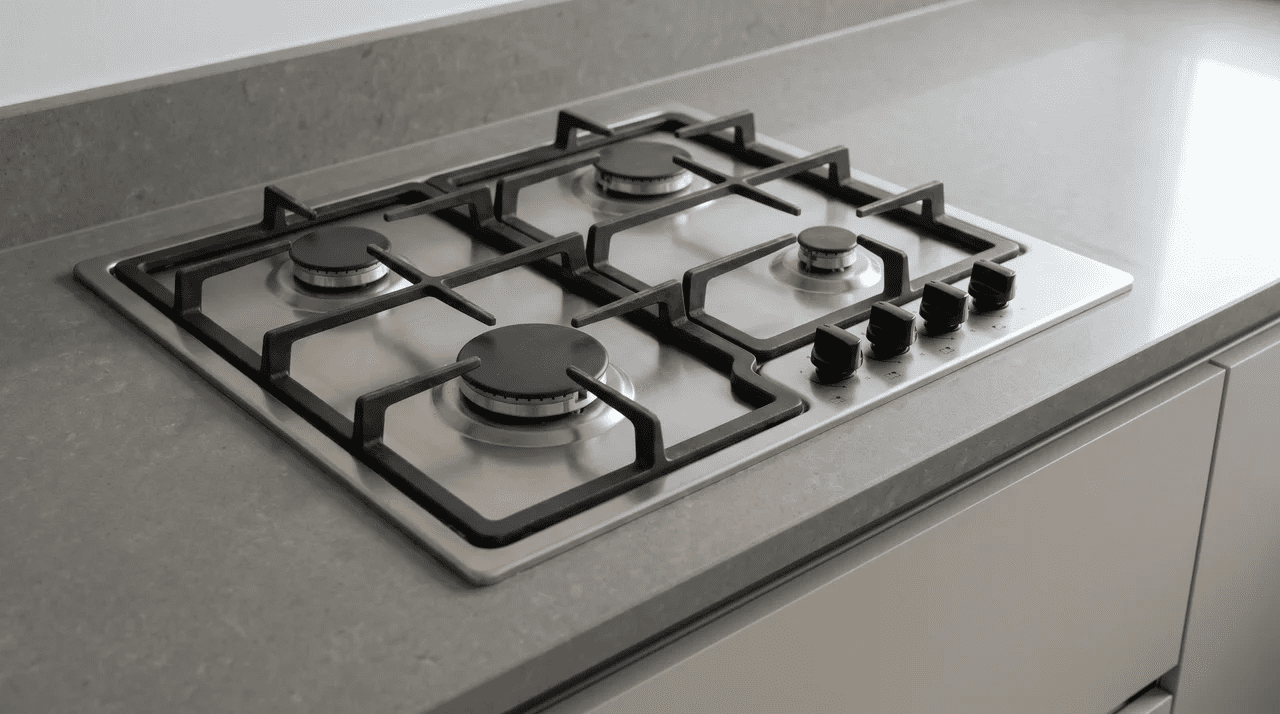
You’re halfway through a British recipe. It tells you to heat the oil on the hob. If you’re American, that word just stopped you cold.
It doesn’t appear on any appliance in your kitchen. You won’t find it on an American recipe card. But “hob” is the standard term across the UK, Australia, and most of Europe. Read enough international cooking content and you’ll run into it constantly.
It’s a British word for something you’ve been cooking on your whole life.
What’s a Hob in a Kitchen?
A hob is the flat cooking surface in your kitchen. It heats your pots and pans.
Americans call it a stovetop or cooktop. Same appliance, different word.
I always explain it the same way: you’re not learning about a new appliance. You already know what it does, you just didn’t know the British name for it.
So why does the word “hob” exist at all? It comes down to how kitchens are built in the UK and Europe.
The cooking surface and the oven are sold and installed as two completely separate appliances. You buy the hob, and you buy the oven separately.
They often end up in different spots in the kitchen entirely.
In America, kitchens have long been built around the freestanding range. That’s a single unit: cooking surface on top, oven below.
When you call it a “stovetop,” you’re describing the top of that combined unit. That framing falls apart when the surface and oven aren’t in the same appliance.
You need a word for the cooking surface on its own. That word is “hob.”
And unlike a stovetop, a hob sits flush in the counter. It doesn’t perch on top of anything.
What Types of Hobs Are There?
Every hob heats your pots and pans. How it does that depends on the type, and the four types work quite differently from each other.
Gas Hob
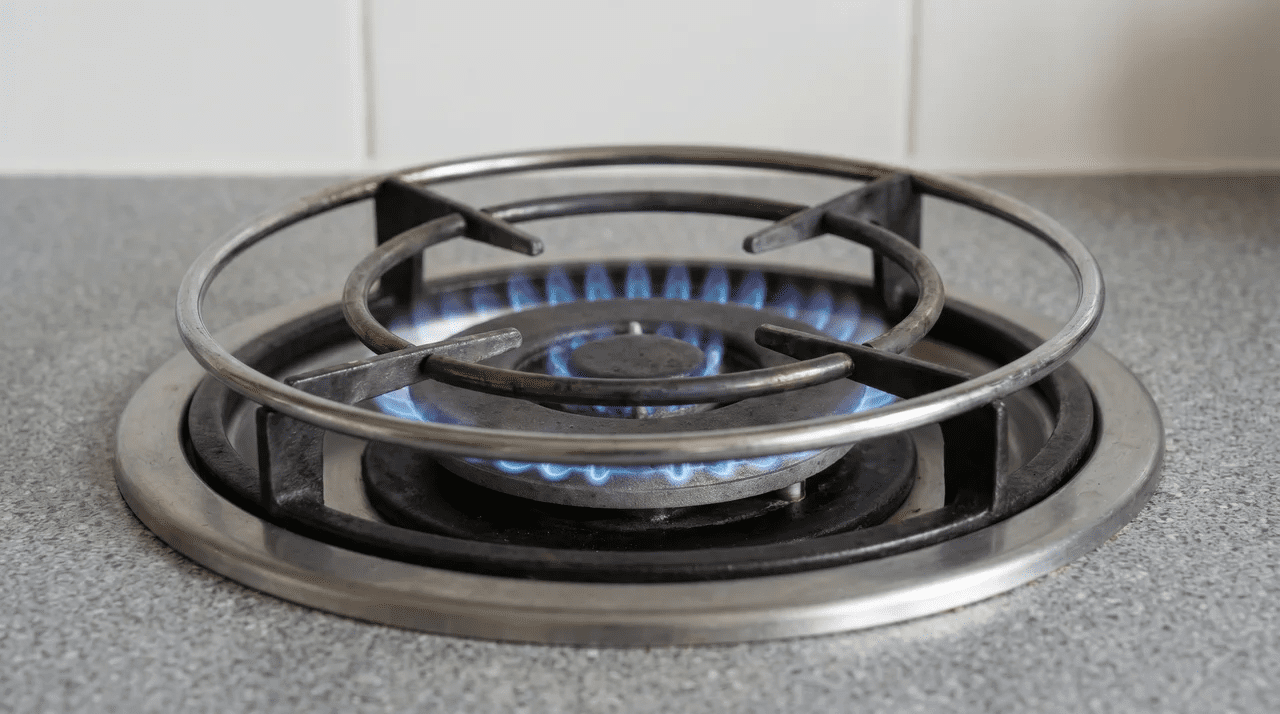
A gas hob burns natural gas or LPG (liquefied petroleum gas) to produce an open flame beneath your pan.
The flame responds instantly: raise it and the pan heats faster, lower it and it cools right away. That direct control is why professional kitchens almost always run on gas. I’ve watched home cooks switch from electric to gas and describe it as finally feeling in charge of the heat.
The catch is cleanup. Open burner rings trap grease, and spills cook onto the grates quickly. Let that build up and it starts affecting how the flame distributes around the pan. Regular cleaning isn’t optional; it’s how the hob keeps working right.
Induction Hob
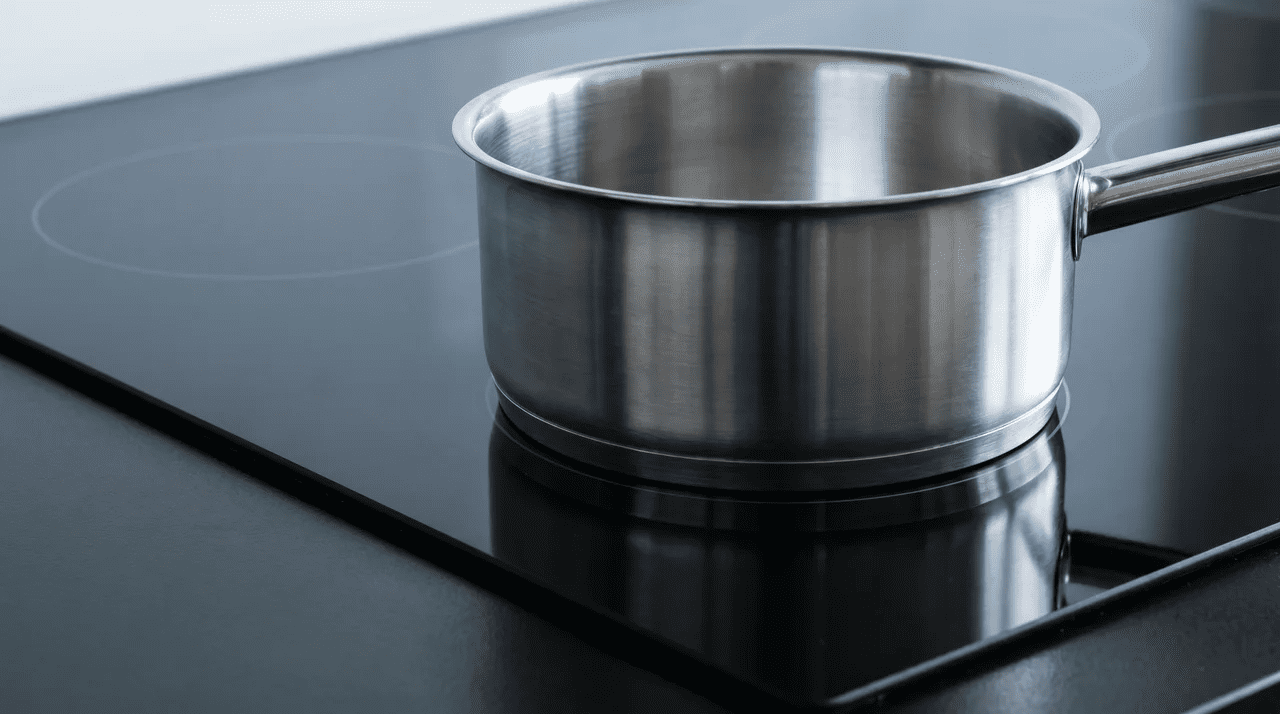
An induction hob heats your pan without heating its own surface. That sounds wrong. Here’s why it isn’t.
Under the glass-ceramic top sits a copper coil. It generates a rapidly alternating electromagnetic field.
Place a pan with a ferrous (iron or steel) base on the zone. The field induces a current in the pan base, and the metal’s resistance converts it to heat.
The hob surface itself doesn’t heat up.
This is the part that catches people off guard every time. The cookware limitation is the one I see trip people up most. They buy an induction hob and discover their old aluminium pans are useless on it.
Only pots and pans with a magnetic base will work. Aluminium, copper, and standard glass won’t heat up on induction.
If a magnet sticks firmly to the bottom of the pan, you’re good.
The upside is real: spills don’t burn onto the cool glass. And induction wastes almost no energy to ambient heat, making it the most energy-efficient hob type.
Ceramic Hob
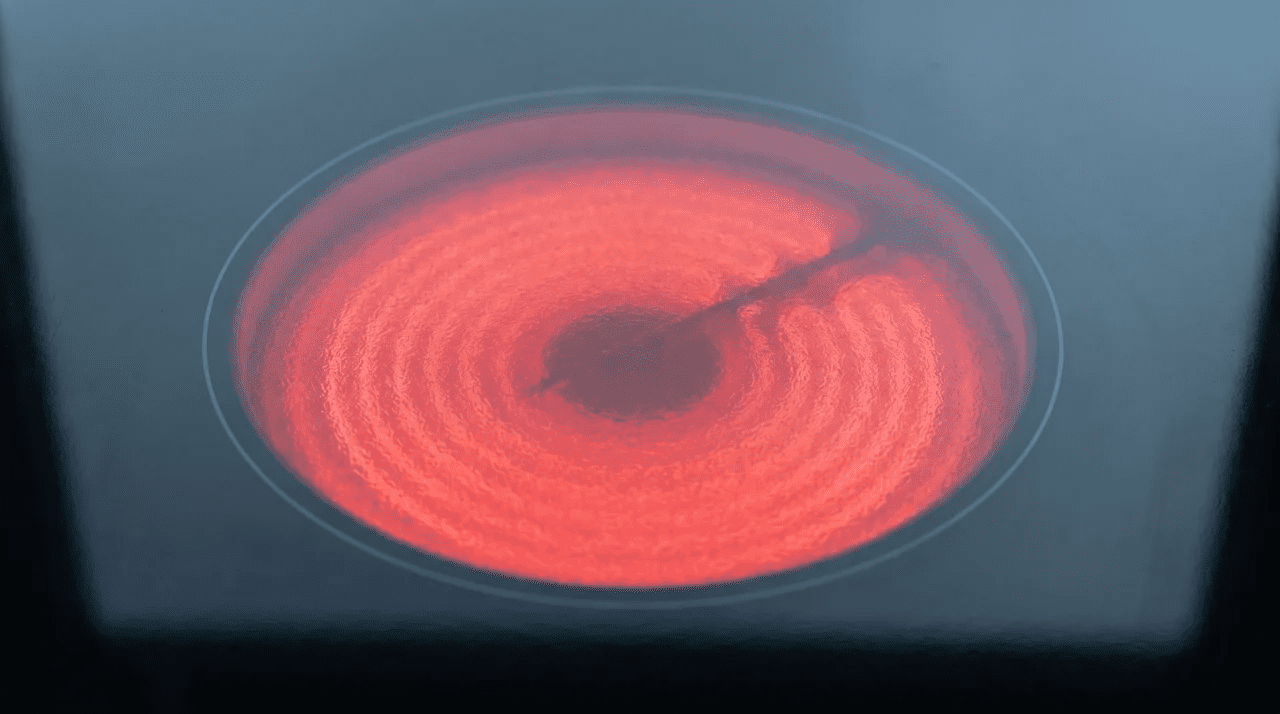
A ceramic hob has a smooth, flat tempered-glass top, just like an induction hob. But what’s underneath is completely different.
Instead of a coil, there are electric heating elements beneath the glass. They heat up, and that heat conducts upward through the glass and into your pan.
An active cooking zone glows red.
The temperature lag is the thing I’d warn anyone about who’s coming from gas. The element has to physically heat and cool through a glass layer. Turn the setting down and your pan won’t feel the difference right away.
Unlike an induction hob, the glass surface itself gets very hot during cooking. Spills burn and stick to it. If you’re coming from gas, expect to adjust. Turn the heat down and the pan won’t respond for another twenty to thirty seconds.
Solid Plate Hob
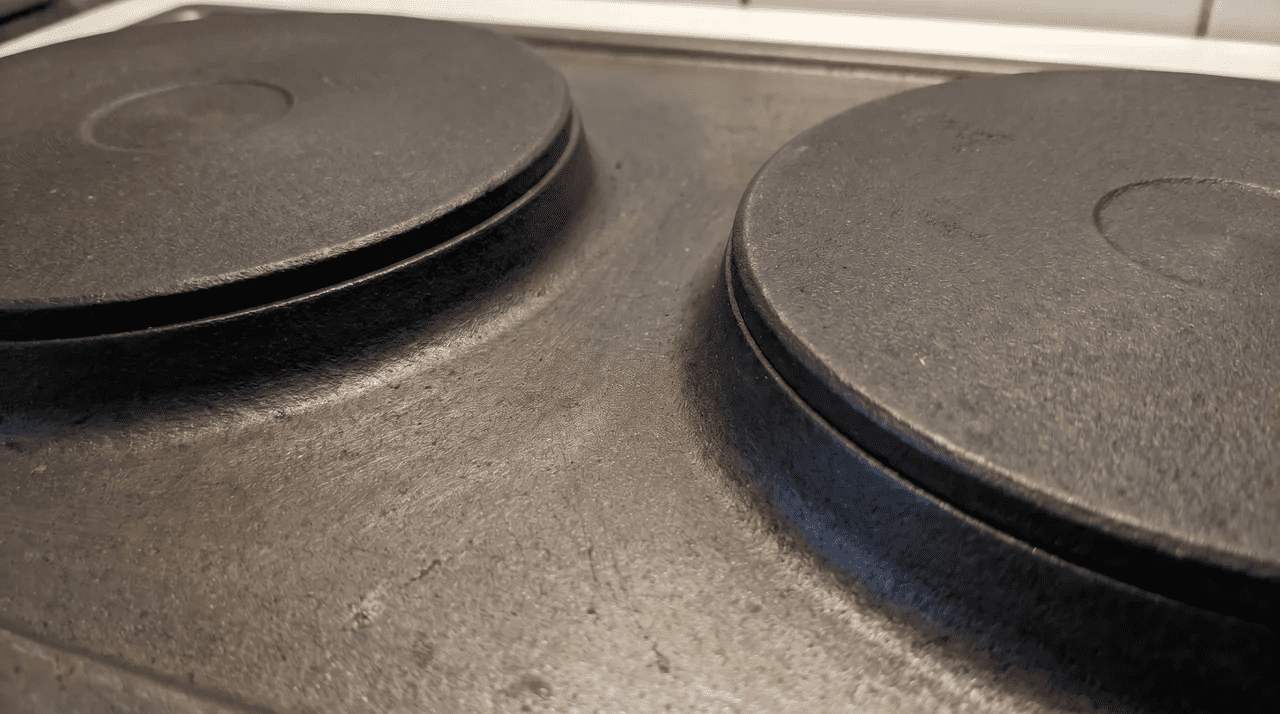
A solid plate hob uses raised, heavy metal discs as the heating element. Electrical current heats them through embedded resistance coils. The plate itself gets hot.
Those discs hold a lot of heat. Warm-up is slow, and cool-down is even slower. The surface stays dangerously hot for a good while after you switch it off.
Personally, I’d steer anyone away from them for a new kitchen build. That residual heat is a real safety concern. If you rent a place with one, just remember: the plate stays hot long after the light goes off.
This is the oldest electric hob type. Ceramic and induction replaced it for good reason.
How Is a Hob Different from a Stove, Cooker, or Oven?
This is where things get confusing, and it’s worth getting clear. How you read a recipe depends on it.
A hob is the cooking surface only. The burners and heating zones: that’s a hob.
Baking and roasting happen in the oven, a completely separate enclosed box. Combine the two into one unit and you have a stove, cooker, or range: cooking surface on top, oven below.
When a British recipe says “heat on the hob,” it means put the pan on the surface. Not in the oven. American recipes say “on the stovetop” for exactly the same instruction.
I keep coming back to the recipe situation because it’s where this actually matters for most people. A lot of recipe confusion comes from not knowing what goes where. The hob is always the surface.
The other thing that trips people up is installation. In the UK and Europe, hobs and ovens often aren’t anywhere near each other. The hob goes into the countertop. The oven gets built into a tall cabinet, sometimes on the opposite wall. They’re two separate purchases installed in two separate spots.
So when someone in the UK says they have a “hob,” they mean the cooking surface on its own. If they say “cooker” or “stove,” they mean the all-in-one unit.
The line worth memorizing: hob for the surface, stove or cooker for the whole unit.
Wrapping Up
A hob is a cooking surface. That’s it.
If you know what a stovetop or cooktop is, you know what a hob does. The word is British. The appliance is the same one you’ve been cooking on your whole life.
Where a hob differs from a stove: it’s the surface alone. No oven attached. Gas, induction, ceramic, and solid plate are the four types. Each heats your pan differently, with its own trade-offs.
Next time a recipe tells you to heat something on the hob, you know exactly where it goes.
Frequently Asked Questions
What is a hob called in America?
In American English, a hob is called a stovetop or cooktop. Both describe the same flat cooking surface used to heat pots and pans. “Hob” is the standard British and Commonwealth term. That’s why it appears in British recipes and appliance listings but not in American ones.
Is a hob the same as a stove?
No. A hob is the cooking surface only, specifically the part with burners or heating zones. A stove, also called a cooker or range, combines the hob with an oven in one unit. When a recipe says to heat something on the hob, it means the surface, not the oven.
Can you use any pan on a hob?
It depends on the type. Gas and ceramic hobs work with most cookware. Induction hobs require pots and pans with a ferrous (magnetic) base. If a magnet sticks firmly to the bottom of your pan, it’s compatible. Copper and aluminium pans won’t heat on induction without a compatible adapter disc.
Does a hob come with an oven?
Not by default. A hob is a standalone cooking surface, sold separately from an oven and built into the countertop on its own. If you want both in one unit, you need a stove, cooker, or range. Many kitchens in Europe install the hob and oven in completely different locations.