
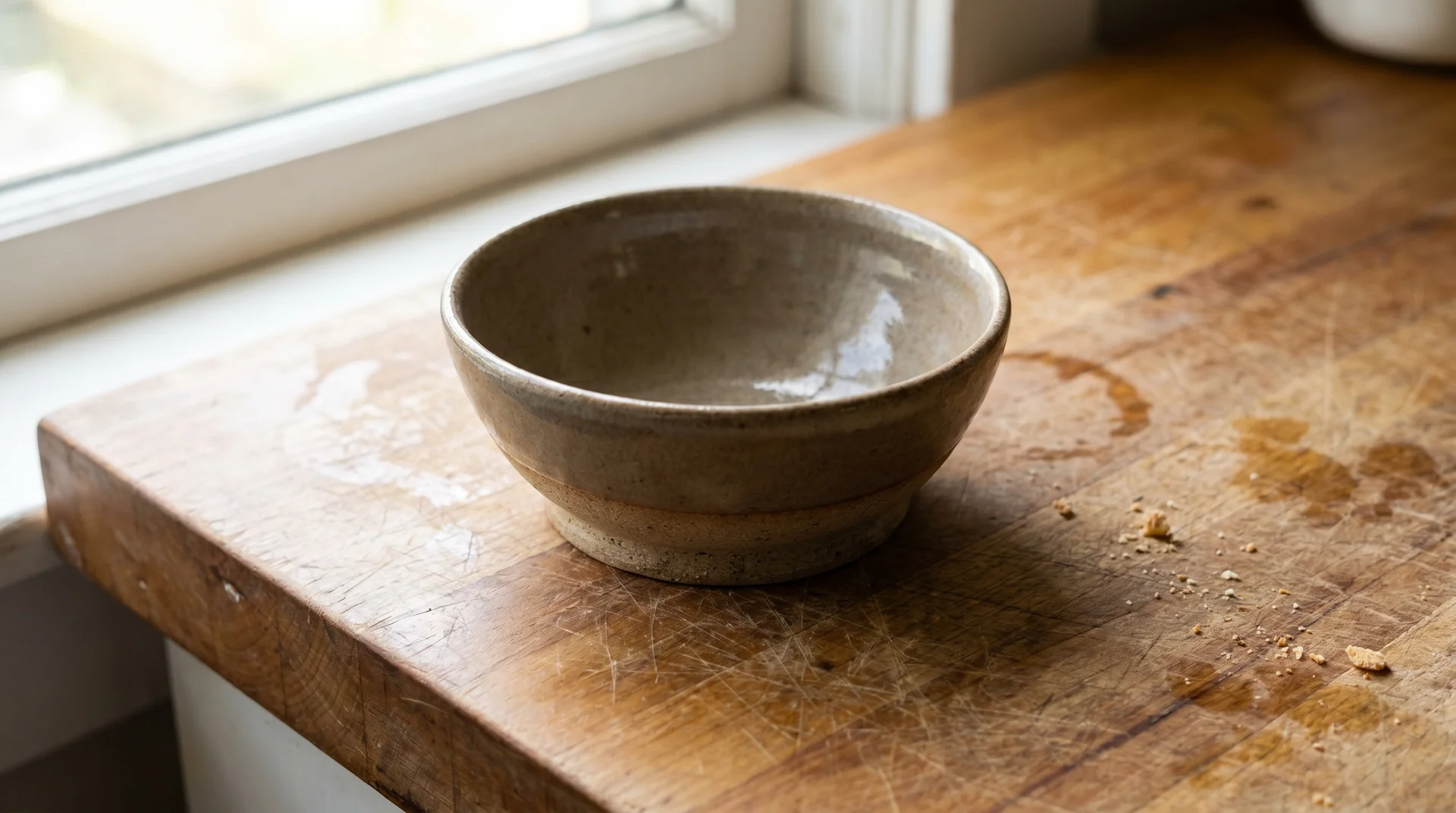
Stoneware is a type of ceramic fired at very high temperatures, which makes it denser and less porous than earthenware or most porcelain.
Most people start with the label. That’s the wrong place to start.
Most stoneware can go in the microwave safely. Whether it heats your food well is a separate question entirely.
What Actually Makes Stoneware Microwave Safe
The answer for most stoneware is yes, but the why matters.
Stoneware is fired at temperatures between 2,100°F and 2,400°F. That heat vitrifies the clay body, fusing it into a dense, low-porosity structure.
Low moisture absorption means low microwave energy absorption. The microwave passes through the dish and heats the food instead.
Three conditions determine whether that stability holds.
- The glaze must be fully intact.
- The piece must have no metallic elements.
- The dish must be dry when it goes in.
Miss any one of those and the piece behaves differently. A dish that clears the safety minimum might still burn your hands and leave your food cold.
The label on the bottom is supposed to answer the safety question. For a piece with no markings on the bottom, it answers nothing at all.
What the Microwave Safe Label Actually Promises
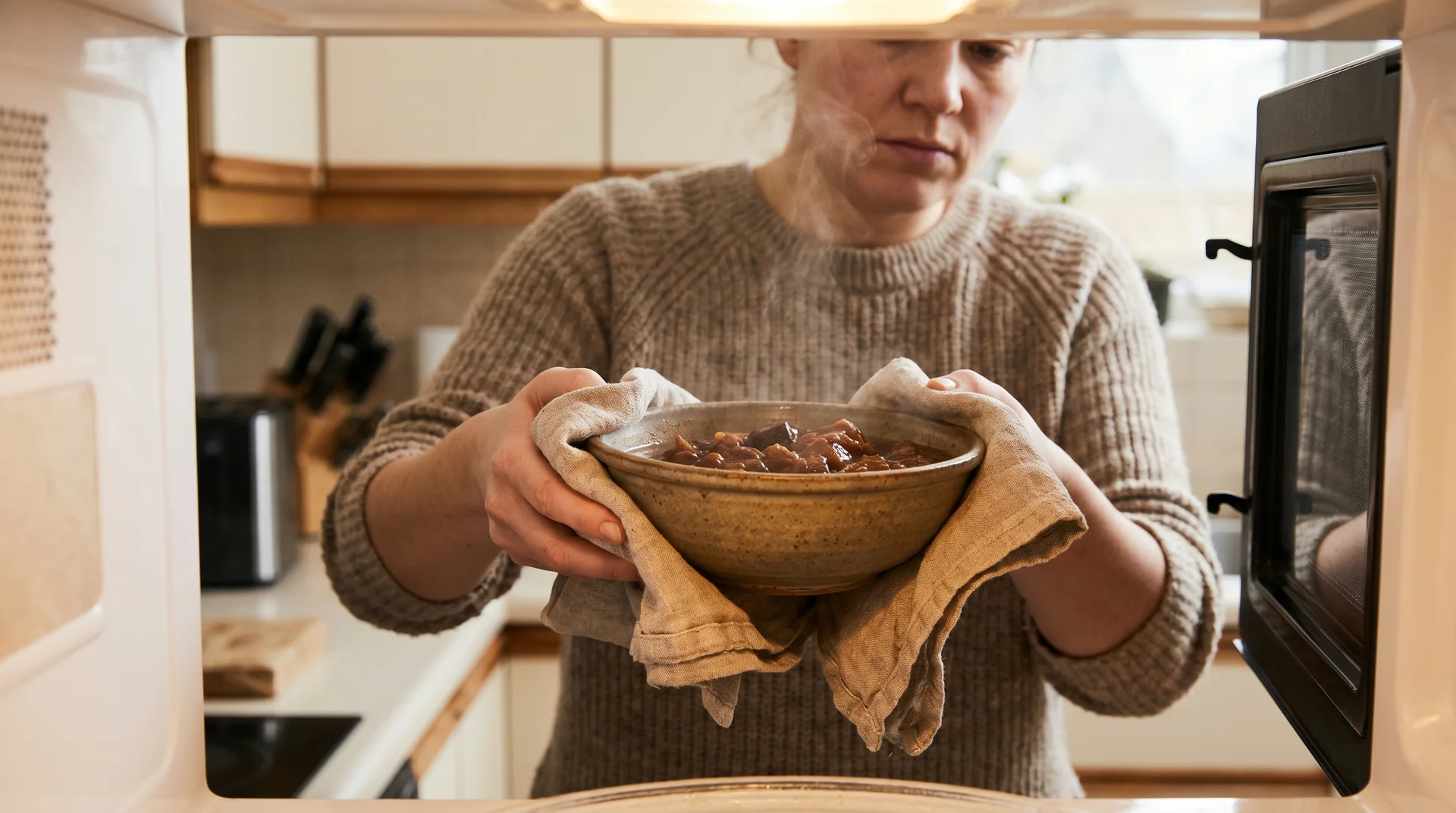
The label makes a narrower promise than most people realize.
It means the dish won’t crack or melt in normal use. It means chemical release stays below FDA-permitted levels. That is the complete guarantee.
I’ve run commercial stoneware through eight years of production service. In a professional kitchen, that label is treated as a liability clearance, not a performance rating.
The label says nothing about how hot the dish gets. It says nothing about how efficiently it heats your food. The label is doing almost no work for you here.
Why Your Stoneware Gets Hotter Than Your Food
When stoneware is holding absorbed moisture, the microwave heats the dish first and the food second.
That is the complete mechanism. Everything that follows is a detail about how the moisture gets in.
Microwave energy heats water molecules, not ceramic. A dry, non-porous dish lets that energy pass through to the food and stays relatively cool.
A dish holding absorbed moisture redirects that energy into the ceramic walls instead.
Two things drive this in stoneware: the unglazed foot ring and the condition of the glaze.
The Foot Ring Problem
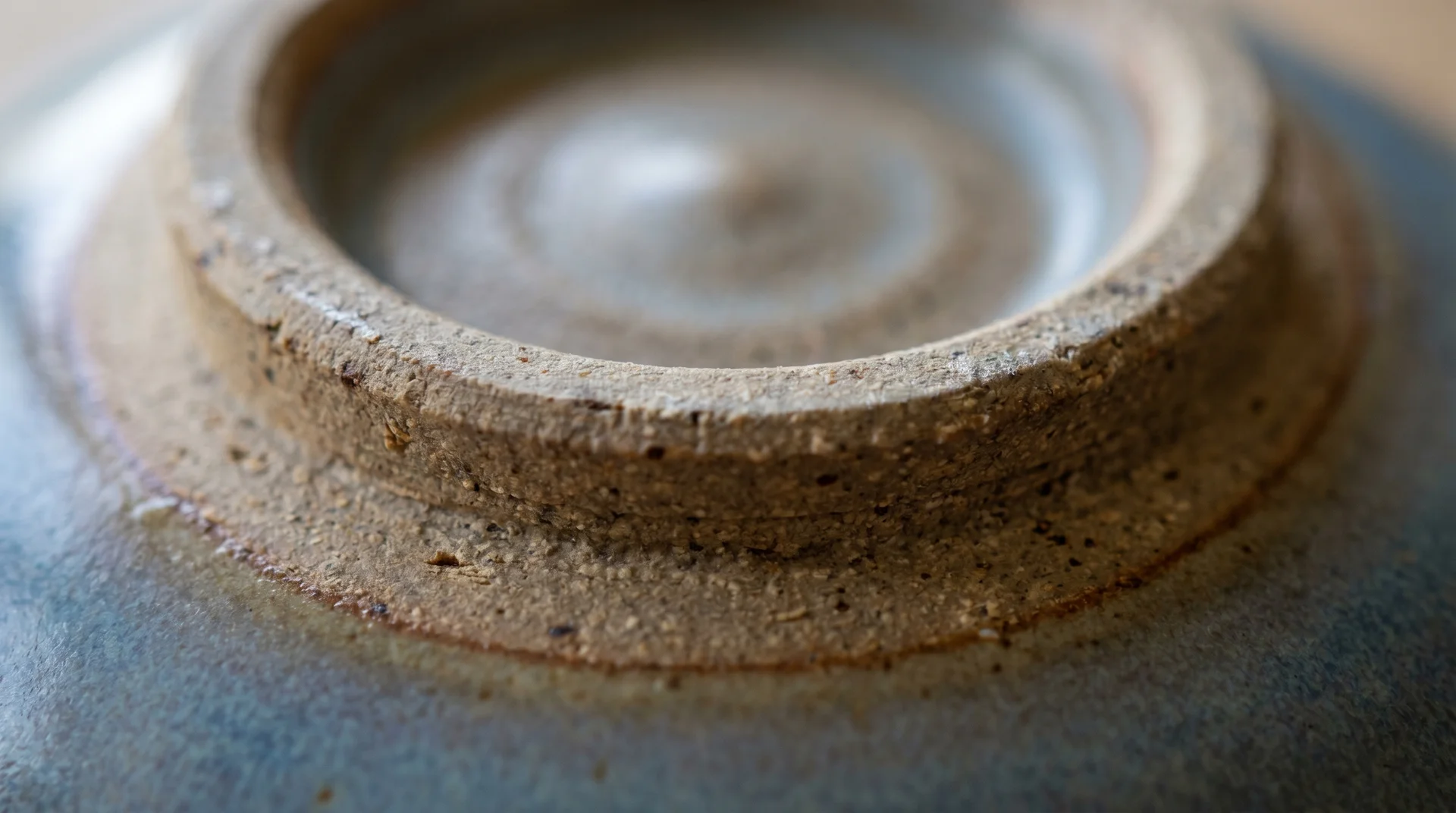
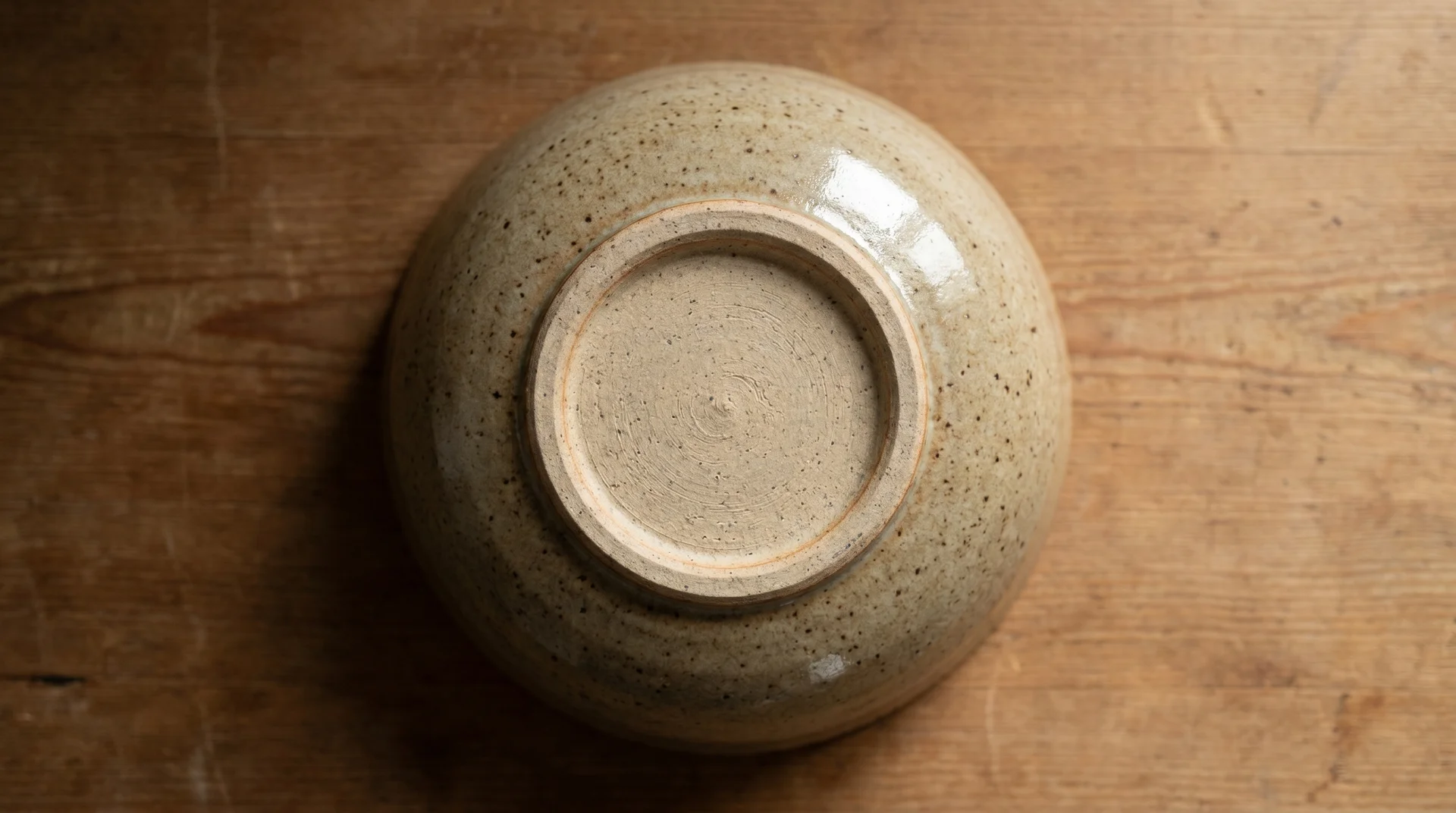
The unglazed foot ring at the base of most stoneware is the main entry point for absorbed moisture.
Most stoneware has an unglazed base where raw clay is exposed. This is by design. Stoneware sits on the kiln shelf during firing, and a glazed base would fuse to it permanently.
That exposed clay absorbs water every time the dish is washed or left in a wet rack.
Put the dish in the microwave before it dries, and the foot ring heats first.
Let your stoneware dry fully before microwaving.
Removing that absorbed moisture removes what competes with your food for microwave energy. No absorbed moisture, no hot dish problem.
When Age and Wear Change the Equation
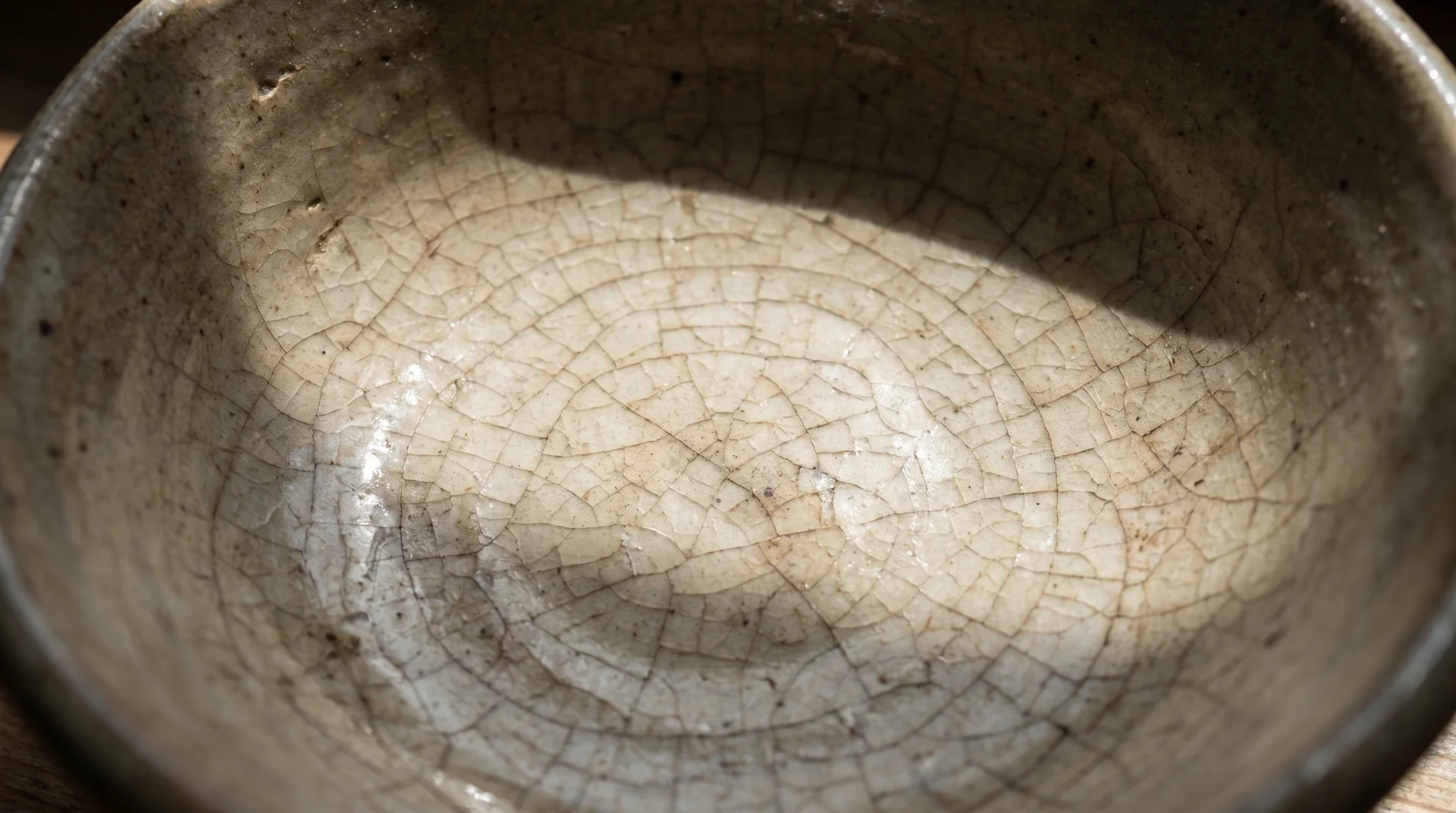
Stoneware is not permanently microwave safe. The glaze changes over time, and the behavior in the microwave changes with it.
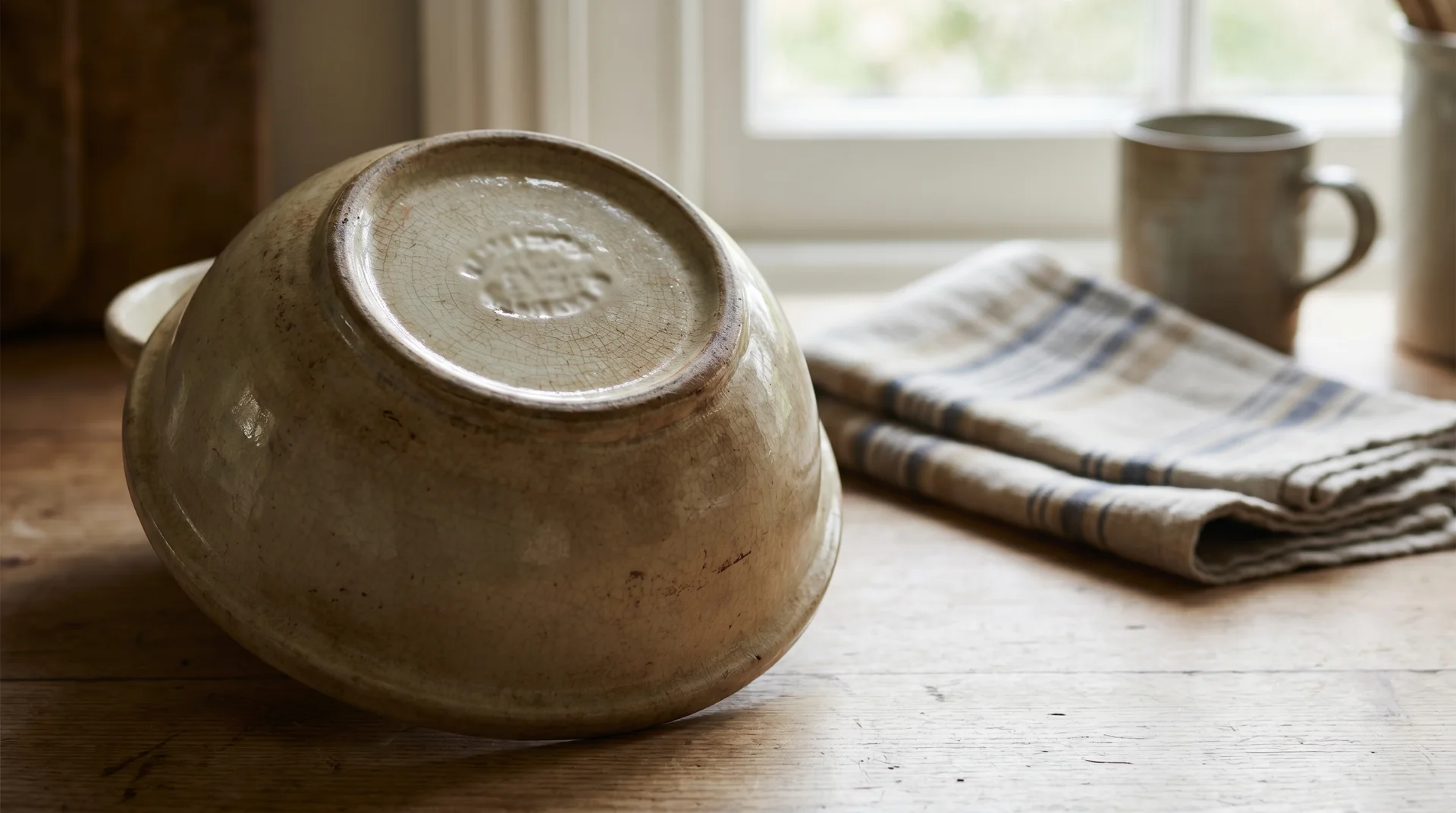
A piece that performed fine two years ago may perform noticeably worse today. The cause is glaze crazing, the fine web of surface cracks that develops through repeated thermal stress and dishwasher cycling.
Crazing looks decorative. It is damaged.
Those hairline cracks let water into the clay body beneath the glaze. In the microwave, that trapped water heats before the food does. The dish runs hot while the food runs cold.
The day your stoneware starts running noticeably hotter than it used to is the day to retire it from microwave use. That’s the retirement notice.
Three Situations Where Stoneware Is Not Safe in the Microwave
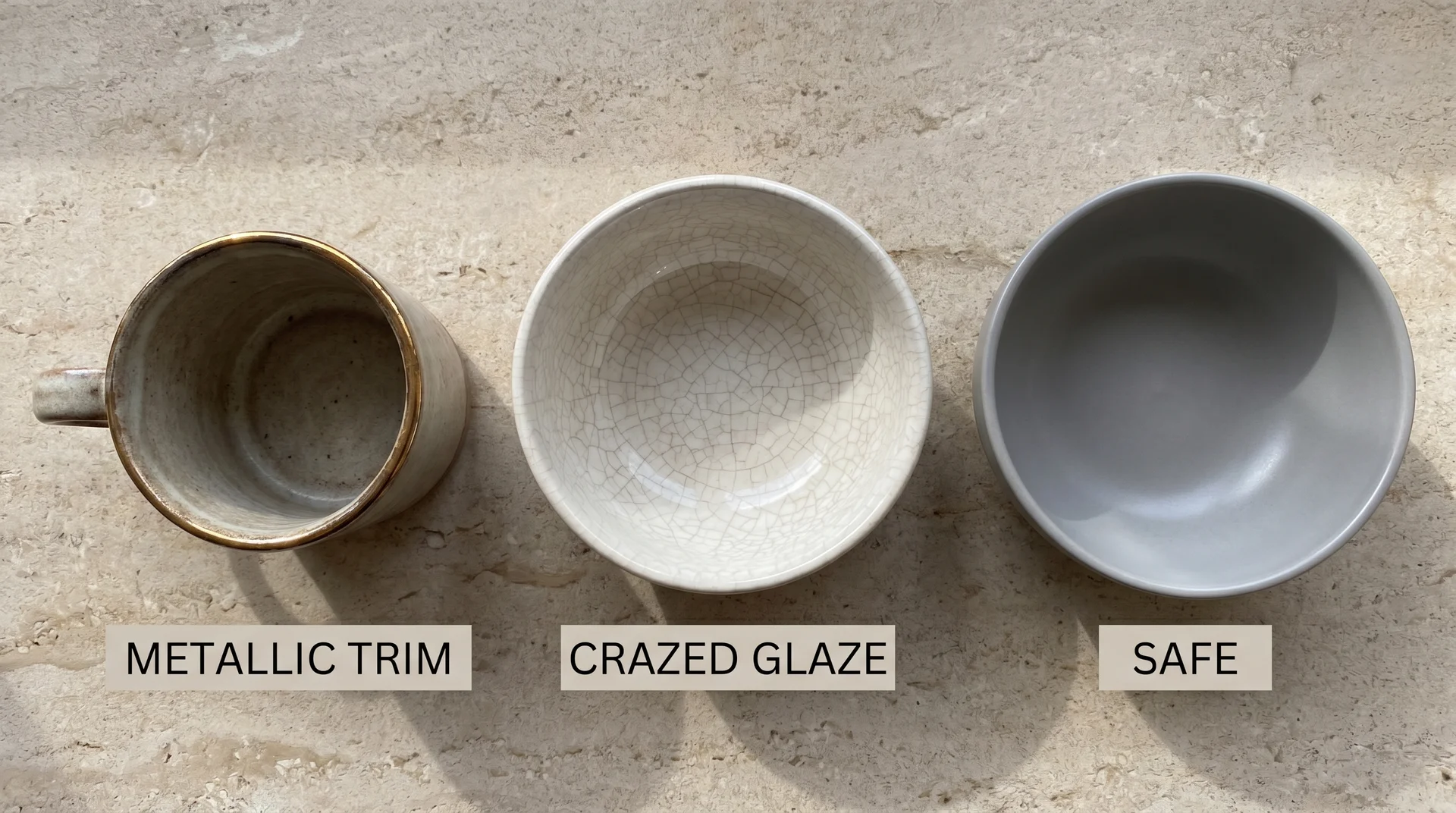
Fully vitrified stoneware with an intact glaze and no metallic elements handles microwave energy well.
Three specific situations override that default, regardless of any label on the piece.
Metallic Glazes and Rim Treatments
Any metallic element on a piece makes it unsafe for the microwave.
Gold or silver rims, metallic luster glazes, and decorative metallic accents spark in the microwave. The sparking rarely injures anyone.
It does damage the magnetron, the component inside the microwave that generates the energy.
Replacing a magnetron is expensive, and in most consumer microwaves, it is not worth doing.
Some speckled stoneware uses iron-rich glaze formulas with enough metal content to cause heating problems as well.
If there is any metallic decoration on the piece, do not use it in the microwave.
Vintage Stoneware and the Lead Glaze Problem
Pre-1980s stoneware and pieces of unknown origin carry a lead risk that no label reliably eliminates.
Lead was used in ceramic glazes for most of the twentieth century. It produces a smooth, durable finish and intensifies color, particularly in reds, oranges, and yellows.
The FDA began regulating lead levels in ceramics in 1971 and has tightened those standards multiple times since. New stoneware from established manufacturers is not the concern here. Older pieces and pieces of unknown origin are a different matter.
The FDA found lead at unsafe levels in imported Mexican pottery that was explicitly labeled lead-free.
Heating ceramics in the microwave accelerates leaching from any soluble glaze components. That makes vintage or unknown-origin pieces a specific microwave risk, not just a general food safety concern.
Watch for these risk factors in any piece you’re not certain about.
- Bright red, orange, or yellow glazes, where lead compounds were commonly used to intensify color
- No country-of-manufacture marking on the piece
- Any piece made before the 1980s
- Pottery from estate sales, antique shops, or craft markets without documented materials information
Vintage stoneware looks beautiful on a shelf. In the microwave, it’s a gamble I wouldn’t take.
Cracked, Chipped, or Crazed Glaze
Any stoneware with visible glaze damage is no longer safe for microwave use.
Cracks and chips expose raw clay beneath the glaze. Water enters those openings and gets trapped inside the ceramic body. In the microwave, that trapped moisture turns to steam and builds internal pressure.
The piece can fracture, and a fracturing dish under heat is a burn hazard, not just a breakage problem.
The joint where a handle meets a mug or bowl is especially vulnerable. Repeated heating weakens that joint progressively without visible warning. If the glaze at that joint shows any damage, stop using the piece in the microwave.
How to Test Your Stoneware Before You Microwave It
This test gives you a direct answer about the specific dish in your hand.
Michigan State University Extension published this method for evaluating microwave-safe containers. It identifies whether a piece absorbs microwave energy rather than passing it through to the food.
I’ve run this in my own kitchen, not in controlled conditions, and it reliably surfaces the pieces that will cause the hot dish problem before you find out the hard way.
The Water Test
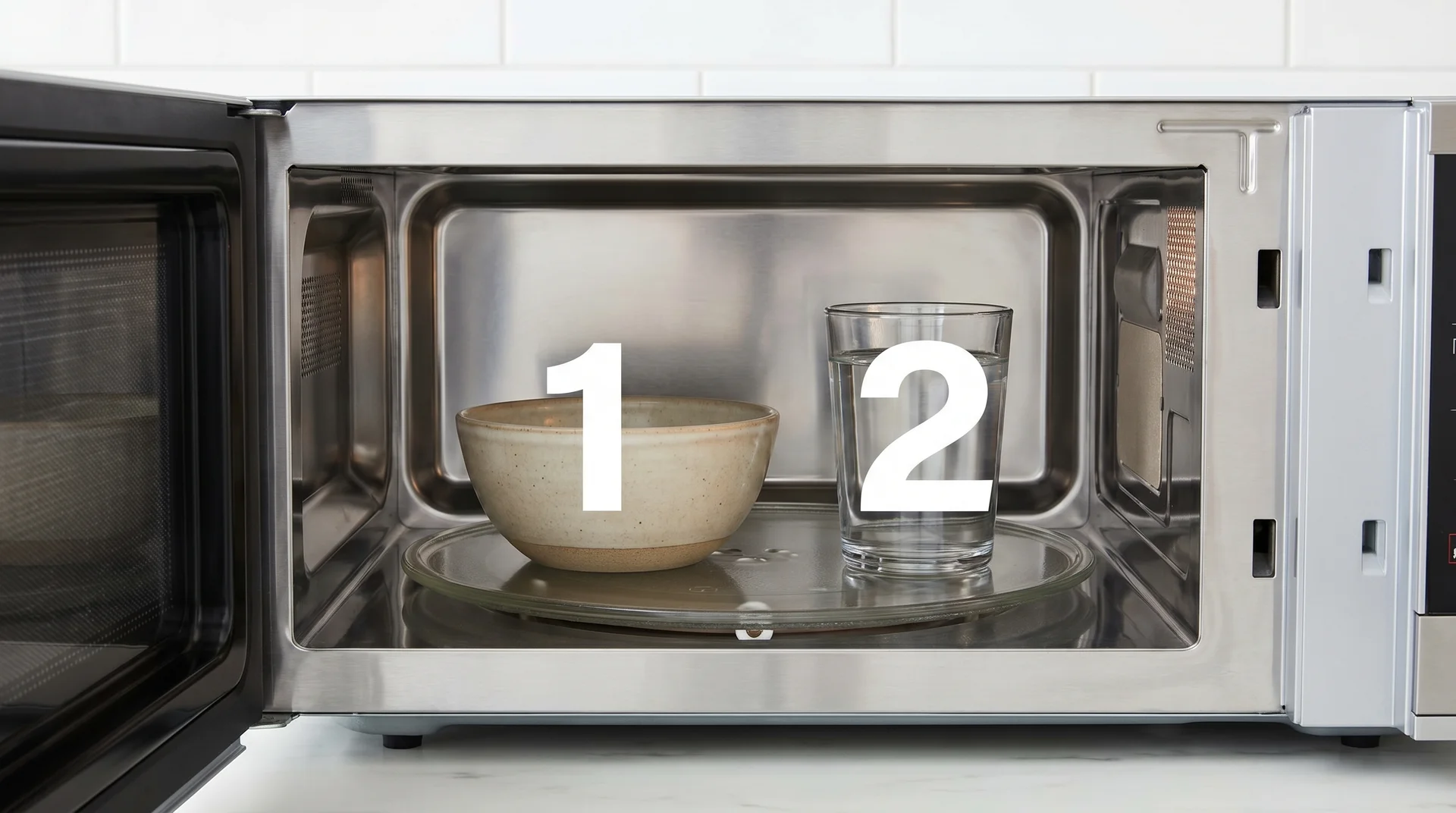
Run this before microwaving any piece you’re not certain about.
- Place the empty stoneware piece inside the microwave.
- Place a separate microwave-safe glass with one cup of cold water next to it — not inside the dish, beside it.
- Run the microwave on high power for one minute.
- Carefully test the temperature of the empty stoneware. Use an oven mitt or a folded kitchen towel.
Interpret the result this way.
- Dish is cool: Safe for normal microwave use.
- Dish is slightly warm: Use for reheating only. Avoid extended cook times.
- Dish is hot: Do not use in the microwave.
Run this test periodically on pieces in heavy rotation, not just on new purchases. The result changes as the glaze wears and porosity, meaning how readily the material absorbs liquid, increases over time.
A dish that passed this test a couple of years ago may not pass today. That’s the same aging pattern described in the glaze wear section above.
What the Water Test Cannot Tell You
The water test confirms energy absorption. It says nothing about glaze chemistry or lead content.
A cool result means the dish will not superheat in the microwave. That is the only thing it confirms. It does not mean the glaze is free of lead or other metals that could leach into food during heating.
For pieces with the risk factors listed in the vintage section, a lead test swab from a hardware store can check for surface lead. The FDA notes these swabs detect lead at the surface level but may not catch lower-level leaching that occurs during heating.
If a piece has any vintage risk factors, don’t heat food in it. The water test doesn’t change that decision.
Can Stoneware Go from the Fridge to the Microwave?
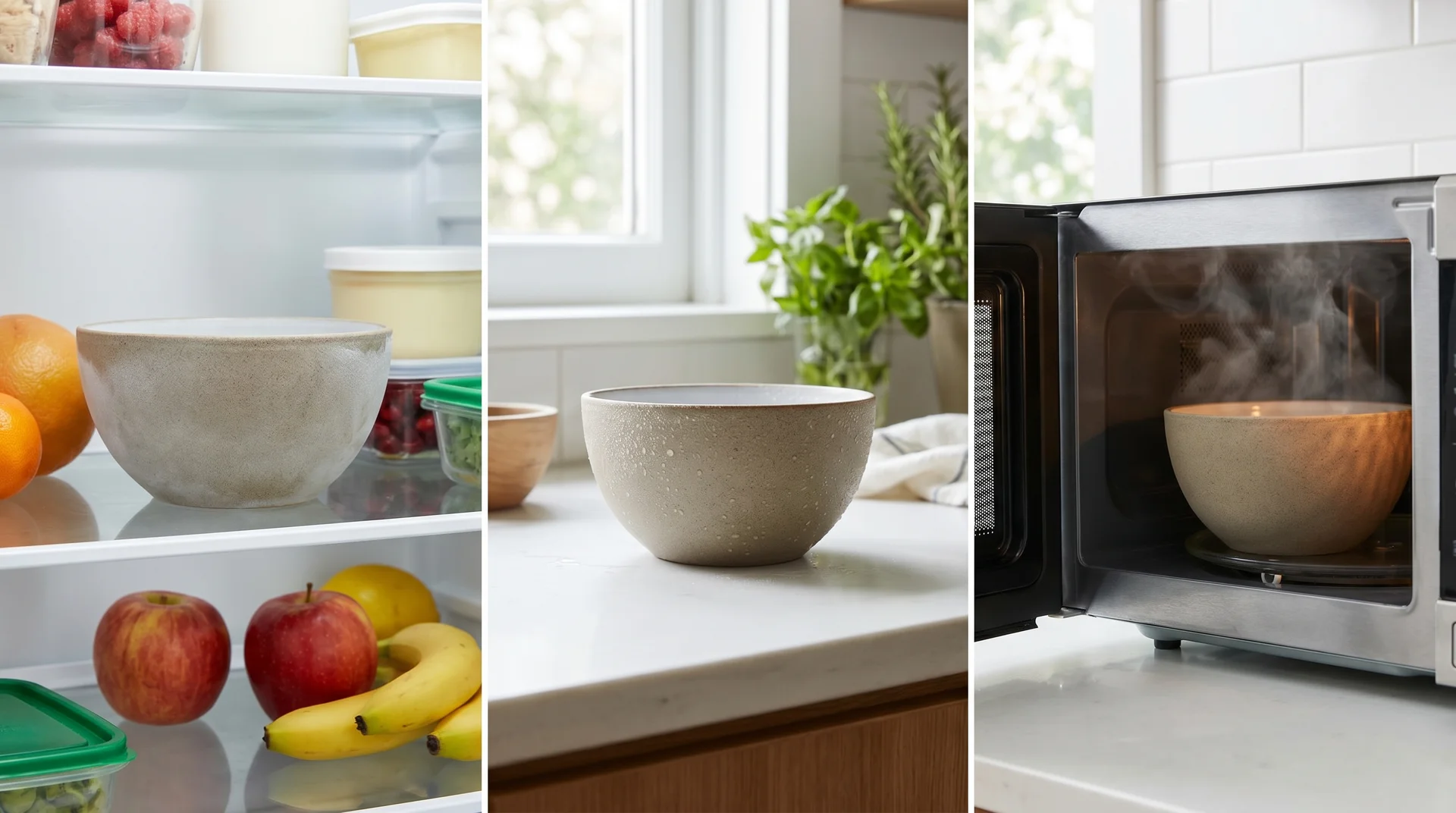
The real risk here is thermal shock, not the microwave label.
Beyond what the water test can tell you, the way you move stoneware between temperature zones matters.
Thermal shock happens when a material experiences a sudden, large temperature change. The outer surface expands or contracts faster than the interior, and that stress can fracture the piece.
Stoneware’s dense body handles thermal stress better than earthenware does. Most well-made stoneware can move from a refrigerator to a microwave without cracking.
How much temperature shift a specific piece can handle genuinely varies. I can’t give you a number that covers every piece at every stage of its life.
A well-made, intact piece from a reputable manufacturer is probably fine. A piece with visible crazing or an unknown firing history is a different situation entirely.
The safe approach is to let stoneware come to room temperature before microwaving.
A dish that has warmed up has also shed its surface condensation. That takes care of both the thermal shock risk and the foot ring moisture problem at once.
What Good Stoneware Actually Looks Like in the Microwave
Good stoneware in the microwave shares a specific set of characteristics.
If you’re evaluating a piece you already own, these are the four questions that matter.
- Any metallic decoration on the piece, including rim treatments or accent colors?
- Is the glaze fully intact, with no visible crazing or chipping?
- Do you know its origin and approximate age?
- Has the foot ring had time to dry fully before it goes in?
Le Creuset stoneware uses a vitrified clay formula and a proprietary non-porous enamel glaze. I’ve used it in my own kitchen for several years, tested it once on the water test, and consistently found it reliable.
KitchenAid’s vitrified stoneware line is built to similar specifications.
CorningWare, specifically the glass-ceramic formulas, was engineered from the start for thermal cycling between extreme temperatures. Those three are the categories worth knowing.
Whether to buy new stoneware is a different article. That question needs different criteria.
When the Microwave Safe Label Stops Meaning Anything
The microwave-safe label on a piece of stoneware reflects how it performed when new.
A bowl that has been through the dishwasher three hundred times is not the same piece that was tested. The label doesn’t update when the glaze does.
The label was accurate when printed. It describes a piece that no longer exists in your cabinet.
This is why the water test matters more than the label for pieces in heavy rotation. Run it periodically. A slightly warm result is an early warning. A hot result means the piece has moved out of safe microwave territory, regardless of what the bottom says.
Most stoneware in regular household use isn’t at that stage yet. A piece that heats evenly and stays manageable after years of use is doing its job. A piece that used to work and now runs hot is done.
No one talks about when a piece retires from microwave duty, but that transition is real, and it happens to every piece eventually.